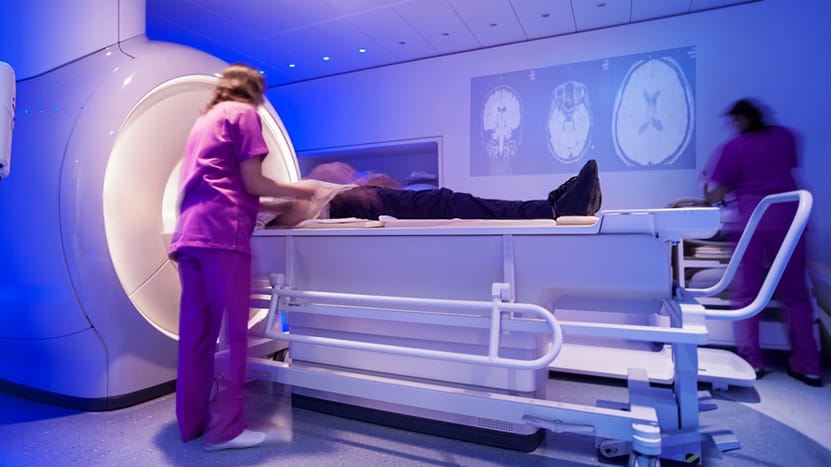
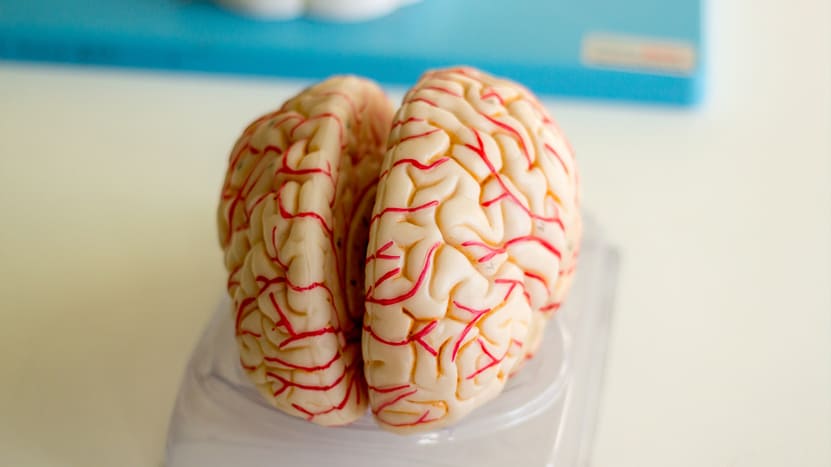
The Biological and the Cognitive Approaches employ technology like brain scanning to understand the brain and behaviour. This article, New Imaging Method Allows Scientists to Identify Specific Mental States from Science Daily reports on research on the brain that...
This article from Psychology Today, Plastic Is Fantastic . . . for Your Brain explores the topic of neuroplasticity, a topic from the Biological Approach. Neuroplasticity is defined as your brain’s ability to alter its physical structure, to repair damaged regions, to...
Working on a group project with your classmates at Pamoja is challenging. In this post, the characteristics of effective groups will be identified and some tips given about how to work as a group in an online environment. Characteristics of Effective Groups The...
The advent of the internet has provided the means by which experts and non-experts can share their thoughts and opinions on a wide variety of topics. For example, Henrik Edberg shares “things that has had a positive effect on my life” in his Positivity Blog. He offers...
The groundbreaking work of Loftus and Palmer (1974) first challenged the idea that our memories are an accurate record of events. These cognitive psychologists investigated the effect of leading questions on the accuracy of speed estimates of cars involved in a...
How digital technology affects cognitive processes and human interaction is a controversial topic. Both positive and negative effects have been the subject of research. On the positive side, some argue digital technology can enhance cognitive functioning. For example,...